TIGEM's Behavioral Core aims to identify abnormal behaviors in animal models that may be associated with gene deletions or mutations pertaining to our human genetic diseases of interest. Upon finding such information, the Core tests whether and to which extent novel pharmacological or gene therapy techniques can be used to rescue these behavioral alterations. Last but not least, the Core organizes novel behavioural tasks and procedures to study rodent behavior in mice, rats, hamsters. The Core combines basic knowledge of the biological processes underlying animal behavior with systematic use of the whole battery of behavioral tests available for rodents to date. In support of its research, the Behavioral Core is equipped with more than 30 different behavioral task tools (i.e. activity cage, elevated plus-maze, hot-plate, water maze, cross-maze, grip-strength meter, passive and active avoidance apparatus) for mice, rats and hamsters, which allow it to test basic sensory-motor functions, learning and memory processes and emotional behaviors.
The project team consists of :
Ilena Alvino as the researcher
Anna Carboncino as the researcher
Diego Carrella as the web tool developer
Elvira De Leonibus as the project coordinator

Overview
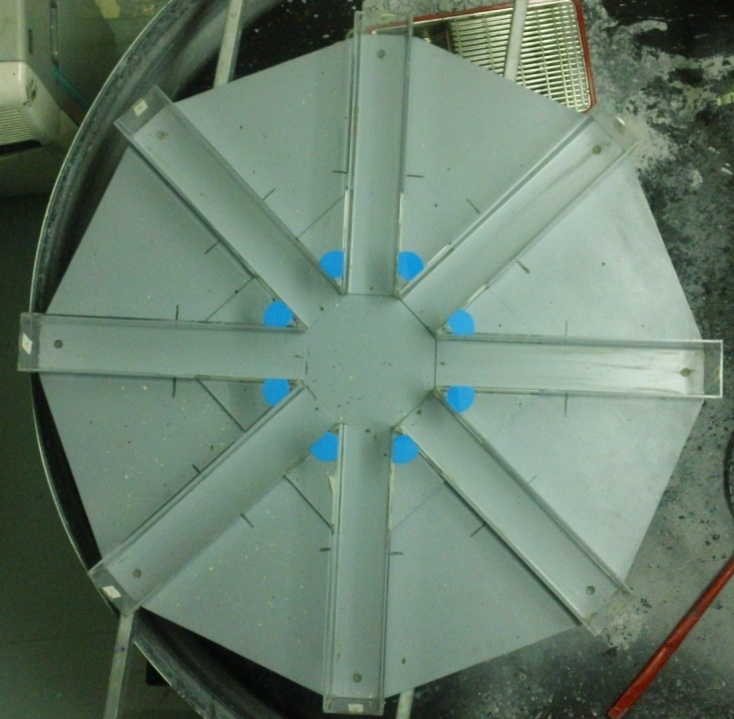
The radial arm maze was designed by Olton and Samuelson in 1976 to measure spatial learning and memory in rats. The original apparatus consists of eight equidistantly spaced arms, each about 4 feet long, and all radiating from a small circular central platform (later versions have used as few as three and as many as 48 arms). At the end of each arm there is a food site, the contents of which are not visible from the central platform.